
/

/

Comics in the Classroom

Comics in the Classroom

Demonstrating the impact of comics on literacy

Since 2020, LICAF has been researching the impact of comics on literacy, enjoyment of reading and health & well-being, starting off with a European partnership project in Abraham Moss Community School in Manchester. The compelling results led to a new 2-year research programme, Comic Potential, in primary schools and the SEND school in Barrow-in-Furness, funded by the Paul Hamlyn Foundation. With results equalling and exceeding the first project, we moved onto the next stage – Comic Potential 2.

/

/

Comics in the Classroom

Comics in the Classroom

Demonstrating the impact of comics on literacy

Since 2020, LICAF has been researching the impact of comics on literacy, enjoyment of reading and health & well-being, starting off with a European partnership project in Abraham Moss Community School in Manchester. The compelling results led to a new 2-year research programme, Comic Potential, in primary schools and the SEND school in Barrow-in-Furness, funded by the Paul Hamlyn Foundation. With results equalling and exceeding the first project, we moved onto the next stage – Comic Potential 2.

/

/

Comics in the Classroom

Comics in the Classroom

Demonstrating the impact of comics on literacy

Since 2020, LICAF has been researching the impact of comics on literacy, enjoyment of reading and health & well-being, starting off with a European partnership project in Abraham Moss Community School in Manchester. The compelling results led to a new 2-year research programme, Comic Potential, in primary schools and the SEND school in Barrow-in-Furness, funded by the Paul Hamlyn Foundation. With results equalling and exceeding the first project, we moved onto the next stage – Comic Potential 2.

2025 - 2026

Comic Potential 2

Exploring the unique potential of comics as powerful tools for learning

Supported by the Paul Hamlyn Foundation, the project brings together educators, comic advocates and researchers to develop innovative approaches to teaching through the use of comic principles. Building on research, artist-led workshops and classroom practice from prior projects, Comic Potential 2 focuses on translating this work into practical frameworks that teachers can confidently and independently use in classrooms.

2025 - 2026

Comic Potential 2

Exploring the unique potential of comics as powerful tools for learning

Supported by the Paul Hamlyn Foundation, the project brings together educators, comic advocates and researchers to develop innovative approaches to teaching through the use of comic principles. Building on research, artist-led workshops and classroom practice from prior projects, Comic Potential 2 focuses on translating this work into practical frameworks that teachers can confidently and independently use in classrooms.

2025 - 2026

Comic Potential 2

Exploring the unique potential of comics as powerful tools for learning

Supported by the Paul Hamlyn Foundation, the project brings together educators, comic advocates and researchers to develop innovative approaches to teaching through the use of comic principles. Building on research, artist-led workshops and classroom practice from prior projects, Comic Potential 2 focuses on translating this work into practical frameworks that teachers can confidently and independently use in classrooms.

At the heart of the programme is the development of a series of ‘Blueprints’ - research-informed teaching aids designed to demonstrate how comic techniques can support learning, knowledge acquisition, critical thinking and engagement across a range of subjects (not just literacy and creativity!). The Blueprints are being developed collaboratively with schools and will offer clear, adaptable approaches for educators working with a wide range of learners, including pupils with Special Educational Needs and Disabilities (SEND). The Blueprints will be published in late 2026 - available online for FREE for schools, educators and teacher-training providers, helping to embed comics as a meaningful and accessible tool for learning.

Comic Potential 2 is supported by an advisory group bringing together expertise from across education, research and the comics sector.

Sim Leech

Associate Festival Director, LICAF

Hester Harrington

Secondary School Teacher, Creative Practitioner & Education Outreach Specialist, LICAF

Dr Adrian Copping

Programme Leader, PGCE Primary Programmes Senior Lecturer, University of Cumbria

Professor Andrew Miles

Professor of Sociology, The University of Manchester

Lucy Starbuck Braidley

Comic Boom Podcaster & Head of School Libraries The National Literacy Trust

Kerrie Bumby

Teacher, Sandgate School, Kendal

Rachel Creasy

Teacher, George Hastwell School, Barrow-in-Furness

Peter Houghton

Teacher, St Patrick’s Catholic Primary School, Heysham

2022 - 2024

Comic Potential

Comics and literacy research project investigating the affects of comics- based learning

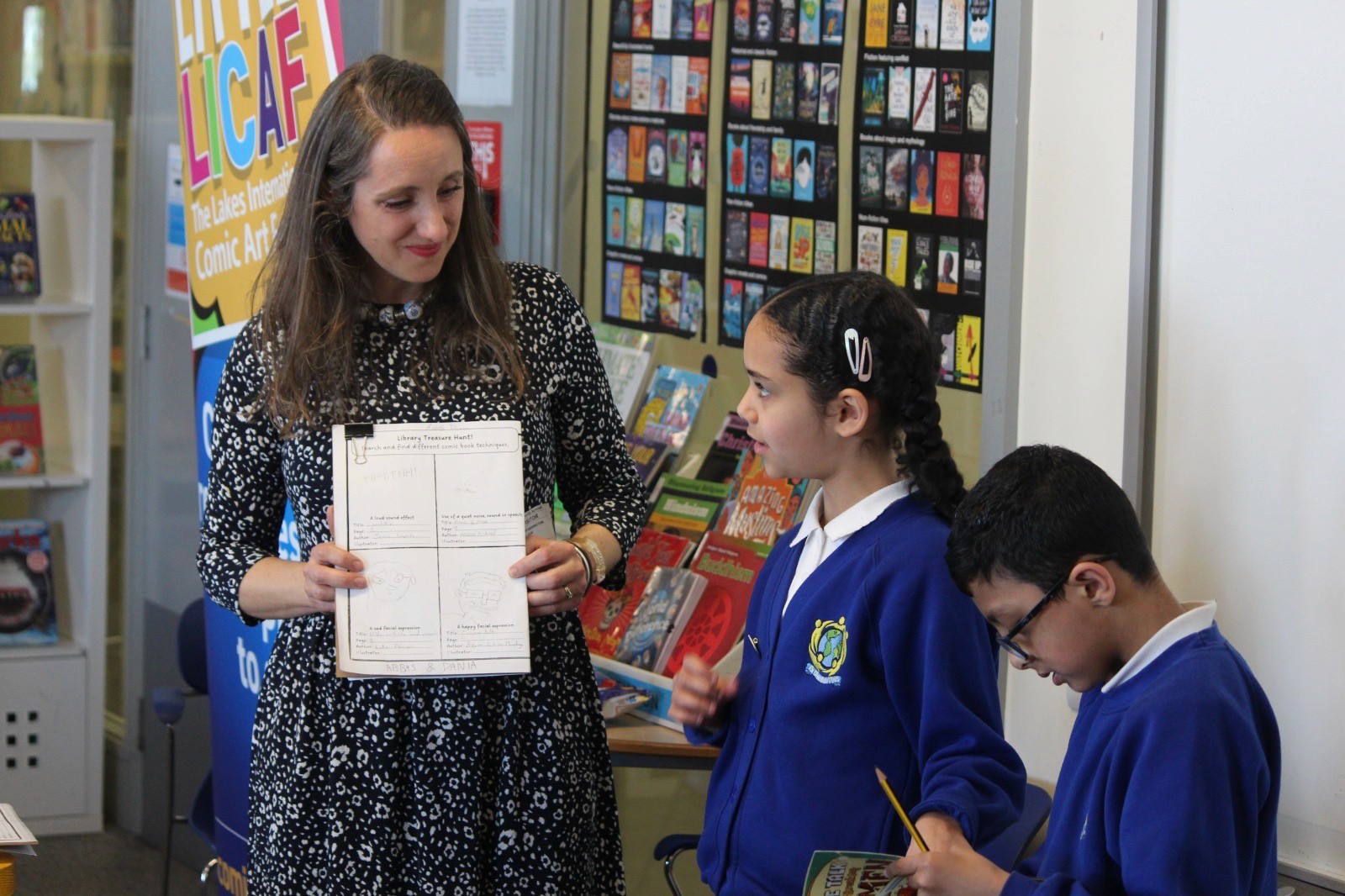
This project worked with primary and SEND schools in Cumbria to investigate how comics-based learning can increase reading engagement, support literacy, enhance cross-curricular learning, and encourage creative expression. The findings from this work highlighted the powerful role comics can play in helping pupils access complex ideas through visual storytelling and comic strategies.

2022 - 2024

Comic Potential

Comics and literacy research project investigating the affects of comics- based learning

This project worked with primary and SEND schools in Cumbria to investigate how comics-based learning can increase reading engagement, support literacy, enhance cross-curricular learning, and encourage creative expression. The findings from this work highlighted the powerful role comics can play in helping pupils access complex ideas through visual storytelling and comic strategies.

Affect on reading behaviour

59% of children reported more time spent reading since the start of the intervention

Affect on reading behaviour

59% of children reported more time spent reading since the start of the intervention

Impact in SEND specialist schools

Reading levels 73% and 67% higher than teacher expectations

Impact in SEND specialist schools

Reading levels 73% and 67% higher than teacher expectations

Attitudes to reading

Around 75% of children responded positively when asked how they felt about reading and receiving their Phoenix comics each week

Attitudes to reading

Around 75% of children responded positively when asked how they felt about reading and receiving their Phoenix comics each week

“Reading has become a more positive thing to do within the classroom. They’re all really positive, they all really want to engage with reading. I’ve noticed a massive change in the number of children that want to read during this comic project.” – Teacher of the intervention group

“Reading has become a more positive thing to do within the classroom. They’re all really positive, they all really want to engage with reading. I’ve noticed a massive change in the number of children that want to read during this comic project.” – Teacher of the intervention group

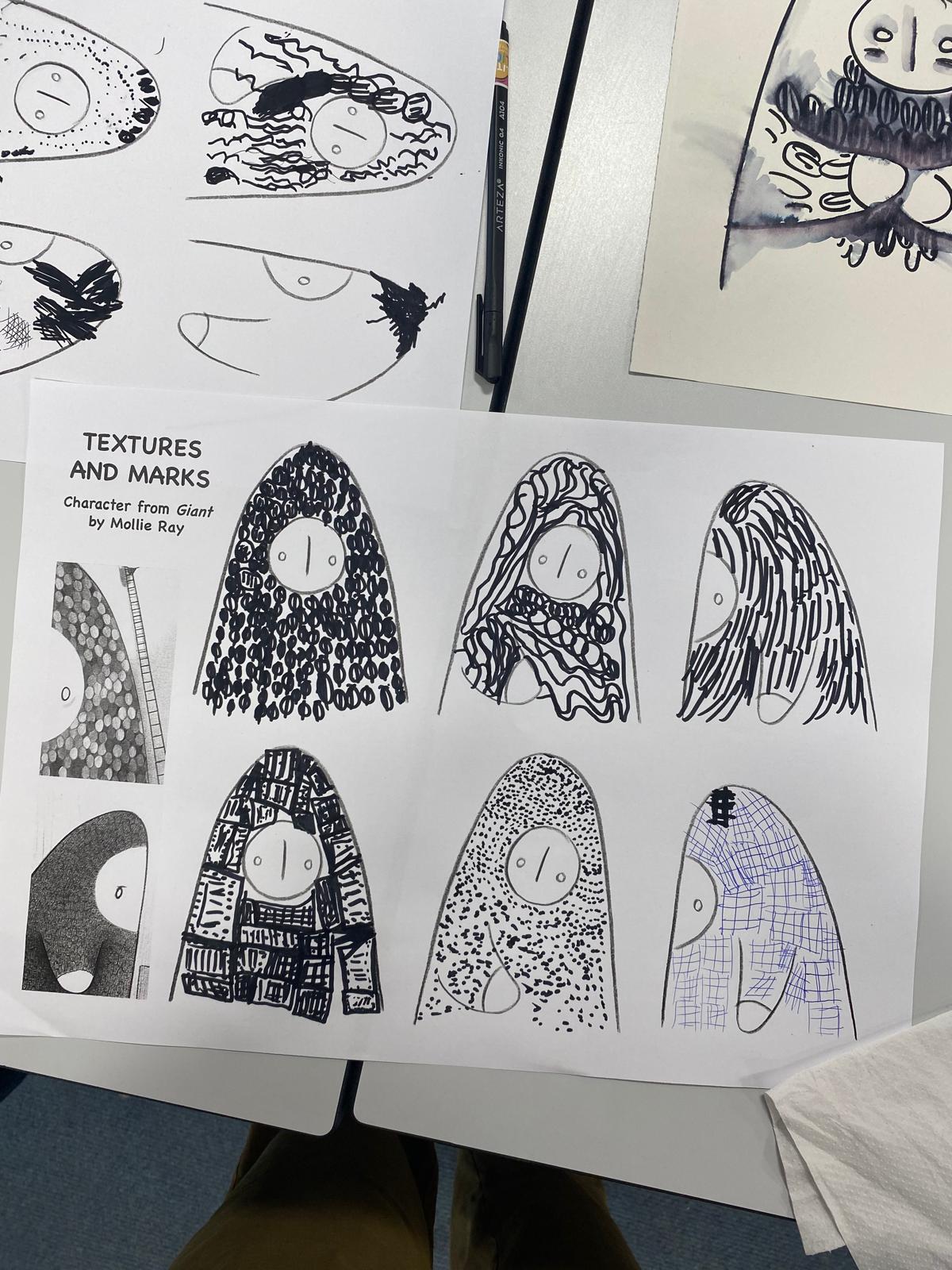
Zines, presented by Hester Harrington, outlines what a zine is, offers different techniques for making comic zines, and ways that they can be used in the classroom.
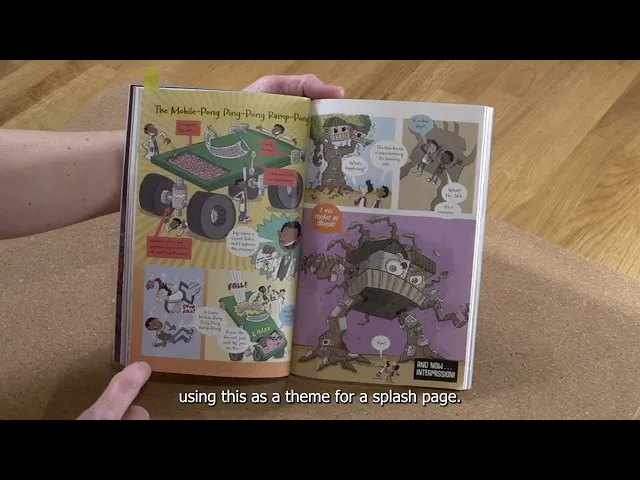
Splash Pages, presented by Hester Harrington, outlines what a splash page is and how they are used in comics, and ways that they can be used in the classroom.

Supported by
The Paul Hamlyn Foundation
2020 - 2022

Comic Art Europe (CAE) Research Project

Exploring the transformational potential of comic as a tool to promote and enhance literacy

The UK research project was conducted by LICAF in The Abrham Moss Community School in Manchester and aimed to explore the potential of comics in the classroom and at home to enhance pupil’s enthusiasm for reading and, by extension, their wellbeing and their creativity. The results showed there were strongly positive effects on most indicators of reading development for the students participating in the comics workshop programme.

2020 - 2022

Comic Art Europe (CAE) Research Project

Exploring the transformational potential of comic as a tool to promote and enhance literacy

The UK research project was conducted by LICAF in The Abrham Moss Community School in Manchester and aimed to explore the potential of comics in the classroom and at home to enhance pupil’s enthusiasm for reading and, by extension, their wellbeing and their creativity. The results showed there were strongly positive effects on most indicators of reading development for the students participating in the comics workshop programme.

Affect on reading age

In the period of 12 months the average reading age in intervention group rose by 18 months in contrast to 11 months in the comparison group

Affect on reading age

In the period of 12 months the average reading age in intervention group rose by 18 months in contrast to 11 months in the comparison group

Reading for leisure

The number of children in the intervention group who listed reading as one of their favourite leisure activities had doubled

Reading for leisure

The number of children in the intervention group who listed reading as one of their favourite leisure activities had doubled

Impact on creativity

70% of pupils in the intervention groups said that the way they came up with ideas had changed over the course of the intervention

Impact on creativity

70% of pupils in the intervention groups said that the way they came up with ideas had changed over the course of the intervention

Supported by and in partnership with
Arts Council England
Manchester UNESCO City of Literature
Lyon BD

European Union

The Phoenix
Escola Joso
Comic Art Europe

Comics Art Museum Brussels
Get your early bird festival tickets now!

Get your early bird festival tickets now!